SNUGGLE IN - DOG BEDS ARE BACK IN STOCK SNUGGLE IN - DOG BEDS ARE BACK IN STOCK

작가와 개

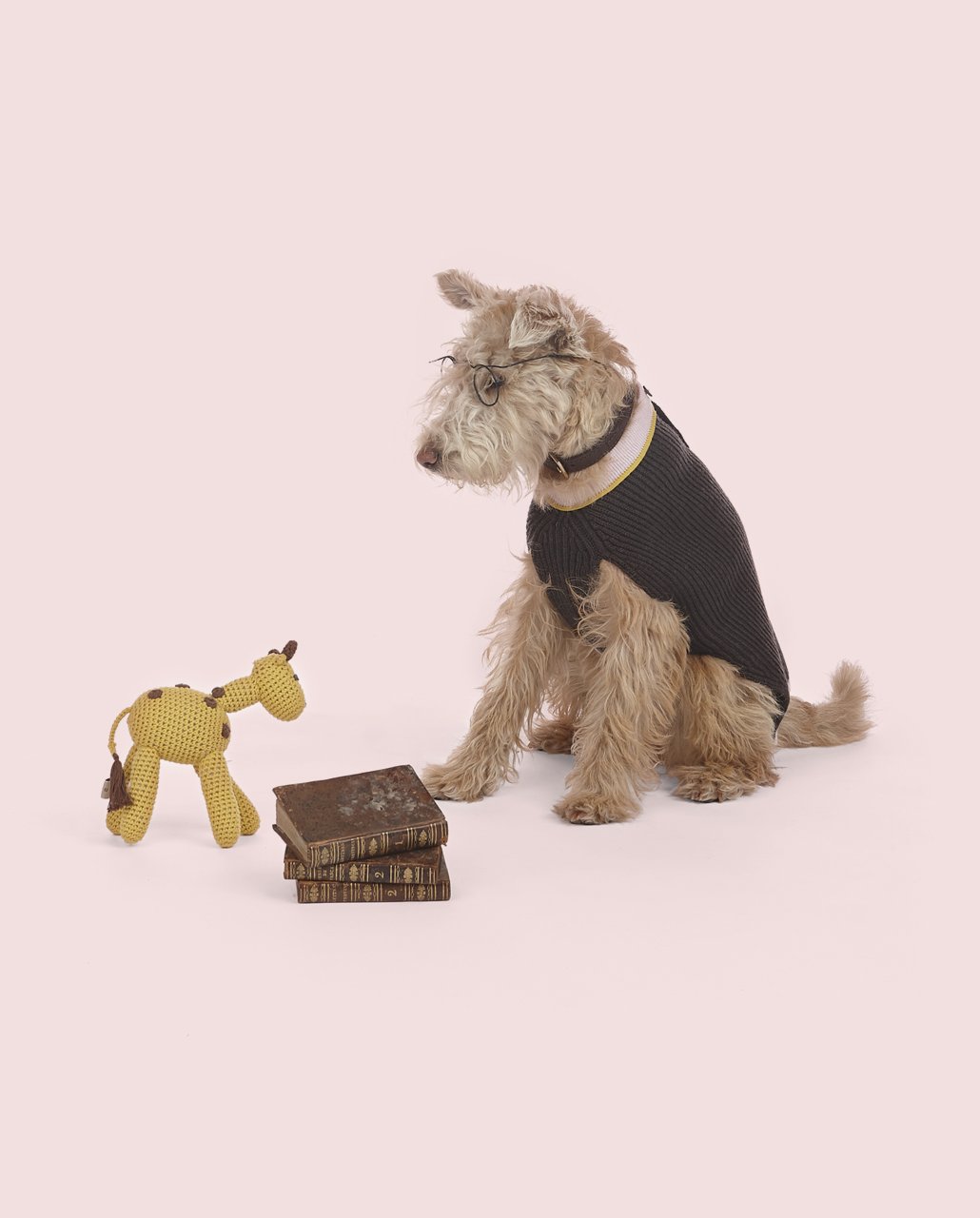
The Librarian Collection

작가와 개

The Librarian Collection

훌륭한 문학은 Mungo & Maud에서 우리에게 큰 영감의 원천이며, 특히 스마트하고 깔끔한 Librarian Collection을 만들 때 그러했습니다.

그렇다면 위대한 작가들에게 영감을 주는 것은 무엇일까요? 종종 그것은 그들의 개나 고양이입니다. 충실한 동반자이자 뮤즈인 이 생물들은 모두 그들의 문학적 주인의 작품에 주목할 만한 영향을 미쳤습니다...

로드 바이런

1803년, 시인이 약 15세였을 때, 로드 바이런은 Boatswain이라 부르는 뉴펀들랜드 견을 받았습니다. 바이런은 평생 많은 개를 키웠지만 Botswain을 그의 “가장 확고한 친구”라고 묘사했습니다. 비극적으로도 그 개는 광견병에 걸려 5년 후에 죽었습니다. 개가 아팠을 때, 바이런은 자신의 손으로 Botswain의 감염된 침을 닦아내고 감염될 위험을 무릅쓰고 직접 개를 간호했다고 전해집니다. 개가 죽자 바이런은 시 Epitaph To A Dog를 지었으며, 그 안에 “불쌍한 개, 생전에 가장 확고한 친구, / 가장 먼저 환영하고, 가장 앞장서서 방어하며, / 그의 정직한 마음은 여전히 주인의 것”이라는 구절을 포함했습니다. 이 시는 바이런의 영지 뉴스테드 애비에 있는 개의 무덤에 새겨져 있으며, 바이런의 친구 존 홉하우스가 쓴 서문도 있습니다. “이곳 근처에는 / 허영 없는 아름다움, / 거만함 없는 힘, / 사나움 없는 용기, / 그리고 인간의 악덕 없이 모든 미덕을 가진 자의 유해가 묻혀 있습니다.” 바이런은 자신의 죽음 후 개 옆에 묻히길 원했지만 이 소원은 이루어지지 않았고 Botswain의 무덤이 바이런 자신의 무덤보다 더 큽니다.


Anton Chekhov

The Russian playwright and short-story writer had two dachshunds, Bromine (a male) and Quinine (a female). Although lazy and potbellied, Quinine was his favourite. Chekhov wrote of them that “The former is dexterous and lithe, polite and sensitive. The latter is clumsy, fat, lazy and sly… They both love to weep from an excess of feelings.” The author’s family recounted that “every evening Quinine would come up to Anton, put her front paws on his knees and look into his eyes devotedly.” The writer featured dogs in a number of his works, including The Lady With The Dog and Kashtanka – a novel narrated from the point of view of a dachshund mix.

Elizabeth Barrett Browning 

A cocker spaniel called Flush was a favoured friend of Elizabeth Barrett Browning. "He & I are inseparable companions," wrote the English poet of her dog, "and I have vowed him my perpetual society in exchange for his devotion." The dog offered companionship to Barrett Browning when confined to her sickbed. Flush was dognapped three times, and Barrett Browning had to pay heavy ransom for his return, which was a common occurrence for dog owners of the genteel classes in Victorian London. He is immortalised as the subject of her poems To Flush, My Dog and Flush or Faunus.

Virginia Woolf

Also greatly inspired by Flush, Virginia Woolf crafted Flush: A Biography, a cross genre, light-hearted blend of fiction and nonfiction narrated from the viewpoint of Barret Browning’s dog. Woolf wrote to a friend of the story that while reading the love letters of Elizabeth Barrett and Robert Browning, she found that "the figure of their dog made me laugh so I couldn't resist making him a Life". A dog to Woolf, “somehow represents the private side of life – the play side". Woolf’s first published essay was an obituary for her family's dog and the writer also had her own cocker spaniel, Pinka.


Thomas Hardy

A white fox terrier called Wessex (or Wessie for short) was seen by Thomas Hardy as able to do no wrong. Named after the semi-fictional region of West England where the writer set many of his novels Wessex was a relation of Caesar, Edward VII’s terrier. By all accounts, he was a snappy and aggressive dog. Wessex would cause a scene if not allowed to listen to his favourite radio programmes and attack the legs of strangers visiting Hardy’s home, often ripping their trousers. Lady Cynthia Asquith described him as "the most despotic dog guests have ever suffered under" who would contest “every single forkful of food on its way from my plate to my mouth" as he walked atop the dinner table during meals. The postman was bitten three times and on one occasion retaliated by kicking out two of the dog’s teeth. Despite all this, Hardy grew very attached to the dog and composed two poems in his honour upon his death, Dead 'Wessex' the Dog of the Household and A Popular Personage at Home.

Ernest Hemingway

Cats are almost as synonymous with Ernest Hemingway’s legacy as his litrary works and they feature heavily throughout his later writings. It’s said to be a six-toed (polydactyl) cat called Snow White that started it all. Snow White was a gift from sea captain, Stanley Dexter, in the 1930s. Polydactyl cats (often called “mitten cats” because they appear to have a thumb), were favoured by sailors as their extra toes gave them better balance at sea, enhancing their performance as mousers. As Hemingway wrote, “one cat just leads to another,” and he went on to adopt more cats and breed even more polydactyl kittens. There are still forty to fifty cats living at his home (now museum) in Key West, Florida, half of which are polydactyl and many are likely direct descendants of Snow White.

최근 이야기

Those Who Nose

Dallas, Texas

Those Who Nose

Mungo & Maud is enjoying a wander around Dallas with a very special guest.  Highly renowned interior designer, Cathy Kincaid, and her dogs 'Marybelle' and 'Frannie' are sharing their favourite places.

더 읽기

코를 킁킁거리는 사람들

Mungo & Maud는 매우 특별한 손님과 함께 이스트 햄튼으로의 탈출을 즐기고 있습니다. 존경받는 인테리어 디자이너 제프리 앨런 마크스와 그의 래브라도 '시스터'가 그들의 좋아하는 장소를 공유하고 있습니다.

더 읽기

향기능성 컬렉션

평화로운 순간이 기다리고 있습니다, 먼고와 모드는 제인 로스턴의 낭만적이고 즐거운 이야기를 넘기며 Scentability 컬렉션을 선보입니다.

더 읽기